5 Signs You May Have Damaged Dental Crowns
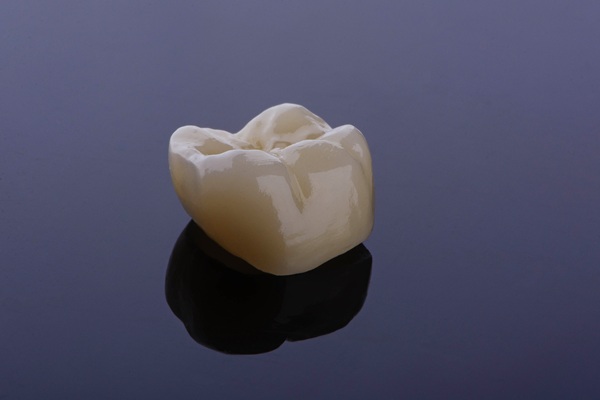
Dental crowns function as protective caps for severely damaged or decayed teeth. These restorations use durable materials such as porcelain-fused-to-metal, zirconia, or ceramic to withstand the daily pressures of chewing. However, even the most resilient dental crowns can experience structural fatigue or adhesive failure. Identifying the symptoms of a damaged dental crown is the first step in preserving your natural tooth and avoiding more invasive procedures.
1. Increased sensitivity to temperature changes
An early sign of a damaged dental crown is a sudden increase in sensitivity to temperature changes, such as consuming hot or cold food and beverages. When dental crowns are intact, the material acts as an insulator for the sensitive inner pulp and nerves of the tooth. If the crown fractures or the seal at the gum line begins to fail, external stimuli can reach the dentin, the tooth layer beneath the enamel. This exposure results in a sharp, localized sensitivity. If this sensation persists, it indicates that the protective barrier is no longer functioning, and the patient should schedule a dental appointment to assess the integrity of the underlying tooth structure.
2. Physical fractures and surface wear
Visible chips or cracks are undeniable evidence of damage. While porcelain offers cosmetic benefits, it can become brittle under the stress of bruxism or accidental impact. Small lines may seem harmless, but these fractures can harbor bacteria and lead to total crown failure. Furthermore, wear on the biting surface can change the way the upper and lower teeth meet.
3. Discomfort when chewing food
When a crown becomes slightly dislodged or the internal structure is decayed, the pressure of chewing can create uneven forces. This stress can inflame the periodontal tissue or the nerve endings, leading to discomfort. If the crown is no longer seated correctly, the bite (occlusion) will feel off-center. Ignoring this discomfort can lead to other issues, such as jaw pain or damage to the opposing teeth.
4. A loose dental crown
A dental crown should feel as stable as a natural tooth. If the dental cement degrades, the restoration may feel loose. When the crown shifts, it creates a gap where food particles and oral bacteria can accumulate, leading to further decay and damaging the remaining tooth structure. A loose crown is considered a dental emergency that requires immediate re-cementation or replacement to prevent tooth loss.
5. Inflammation of the surrounding gum tissue
The health of the gum tissue surrounding a crown is a vital metric of its success. When a restoration is damaged or fits poorly, the margins can become rough or trap plaque. This irritation often manifests as redness, swelling, or bleeding during routine hygiene.
- Excessive pressure from a misaligned crown
- Allergic reactions to metal alloys
- Accumulation of sub-gingival plaque
- Irritation from a cracked edge
- Gum recession around the crown margin
- Failure of the adhesive seal
The presence of chronic inflammation around a single tooth can indicate that the restoration no longer fits properly.
Fix your dental crown at our Springfield office
If you suspect that your dental crown is failing, a professional evaluation is the most effective way to protect your smile. Timely repairs can save the existing crown and prevent the need for more complex treatments. Contact our Springfield office today to schedule an appointment and maintain your oral health at peak condition.
Request an appointment here: https://www.springfieldmoderndental.com or call Modern Dental of Springfield at (217) 321-4552 for an appointment in our Springfield office.
Check out what others are saying about our dental services on Yelp: Dental Crowns and Dental Bridges in Springfield, IL.
Related Posts
Same day dentistry offers a great option for those who want dental implants in one day. This is a better version of traditional implants that need a long time to finish. Most people do not have the time to spend at the dental clinic. Schedules tend to overlap. Patients tend to miss the visits for…
Gaps in a smile can make everyday tasks like eating or talking uncomfortable. Fortunately, dental bridges remain a reliable dental restoration to replace missing teeth and restore your everyday chewing function. This guide provides the information you need about the four types of dental bridges and helps you choose the right option for your unique…
When you need dental bridges, your dentist will work with an oral surgeon to find the best solution for your problem. There are a few things that you can do in preparation for this procedure. This blog post outlines some of the steps you should take before going in for dental bridges surgery.Make a list…
It is helpful to understand the different types of dental bridges to determine why your dentist may recommend a specific one. All dental bridges accomplish the same goal, which is to replace a missing tooth or a section of missing teeth. However, depending on the patient’s goals and the status of their oral health, a…